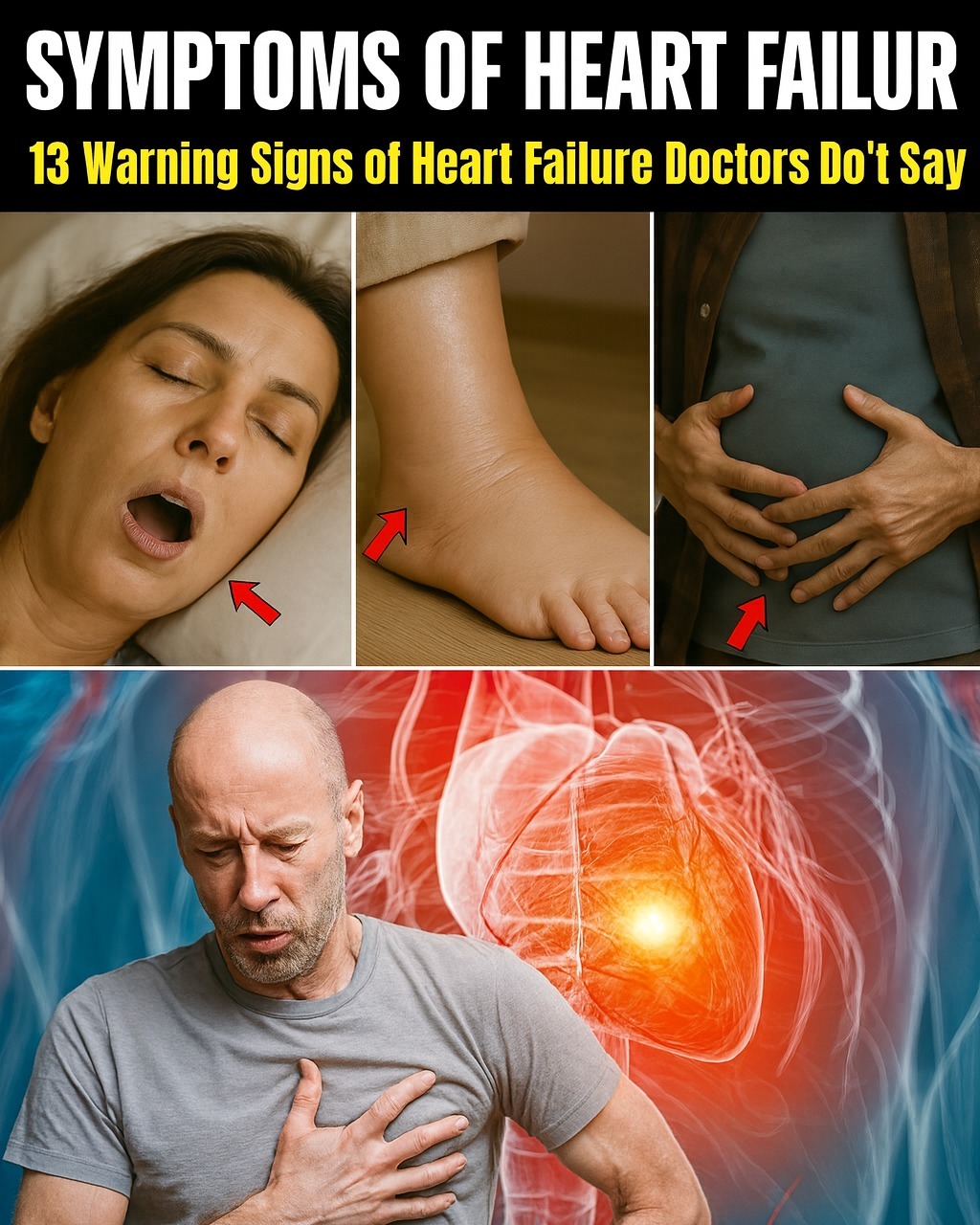
If you notice that daily tasks leave you unusually winded or you need to rest more often than before, it could be your heart signaling distress. Unlike normal fatigue, this symptom tends to worsen over time, not improve with rest or exercise.
2. Difficulty Breathing When Lying Flat (Orthopnea)
Do you find yourself needing more pillows to sleep comfortably? That’s a classic symptom called orthopnea. It happens because when you lie flat, fluid can build up in your lungs due to poor heart pumping.
Over time, you may go from one pillow to two, then eventually feel better sleeping upright. If you notice this gradual change, it’s not just about comfort — it’s a warning your heart may be struggling.
3. Waking Up at Night Gasping for Air
This frightening experience is called paroxysmal nocturnal dyspnea. It usually happens a few hours after falling asleep, when fluid from your legs redistributes toward your lungs. You might wake up panicked, gasping for breath, and need to sit or stand to feel relief.
While some people confuse this with anxiety or sleep apnea, it’s often a serious signal that your heart isn’t handling fluid balance well.
4. Constant Fatigue and Reduced Stamina
Feeling exhausted even after a full night’s sleep? When your heart’s pumping ability drops, blood flow to your muscles decreases, leaving you weak and drained.
Simple tasks like grocery shopping or climbing stairs can suddenly feel overwhelming. Many people adapt without realizing it — cutting back on activity or blaming age — but persistent, unexplained fatigue often points to reduced heart function.
5. Swelling in Legs, Ankles, or Feet
If your socks leave deep marks or your shoes feel tighter by evening, it might not be just from standing all day. This swelling, known as peripheral edema, occurs when fluid builds up in your tissues due to poor circulation.
The swelling usually affects both legs and gets worse as the day goes on. Pressing on the swollen area might leave an indentation — a clear sign your body is retaining fluid because your heart isn’t pumping efficiently.
6. Rapid Weight Gain from Fluid Retention
A sudden increase in weight — 2 to 3 pounds in a day or 5 pounds in a week — could mean your body is retaining excess fluid. This often happens before other symptoms appear and is one of the most measurable early warnings of heart failure.
Doctors recommend monitoring your weight daily if you’re at risk. Rapid weight gain without dietary changes is a red flag that your heart and kidneys are struggling to manage fluid balance.
7. Frequent Nighttime Urination (Nocturia)
Do you find yourself waking up multiple times at night to urinate? When you lie down, fluid that accumulated in your legs during the day returns to circulation and is filtered by your kidneys, producing more urine.
While nocturia can happen for other reasons, such as aging or drinking before bed, when combined with other symptoms, it may point to early heart failure.
8. Nighttime Cough or Wheezing
A persistent cough that appears mainly at night can be another clue. This dry, irritating cough often gets worse when lying down and eases when sitting upright. It’s caused by fluid backup in the lungs as your heart weakens.
Some people notice a slight wheeze or even frothy mucus that’s white or pink — signs that fluid may be present in the lungs. Don’t dismiss this as allergies or a cold if it keeps recurring.
9. Irregular Heartbeat or Palpitations
Feeling like your heart is racing, fluttering, or skipping beats could mean your heart rhythm is irregular. When the heart becomes weak, it struggles to maintain a steady rhythm, leading to sensations of pounding or skipping.
While occasional palpitations can be harmless, frequent or intense episodes — especially when paired with fatigue or shortness of breath — warrant medical evaluation. Irregular rhythms can worsen heart failure if untreated.
