🔥 How It Was Used: A Delicate Dance with Fire
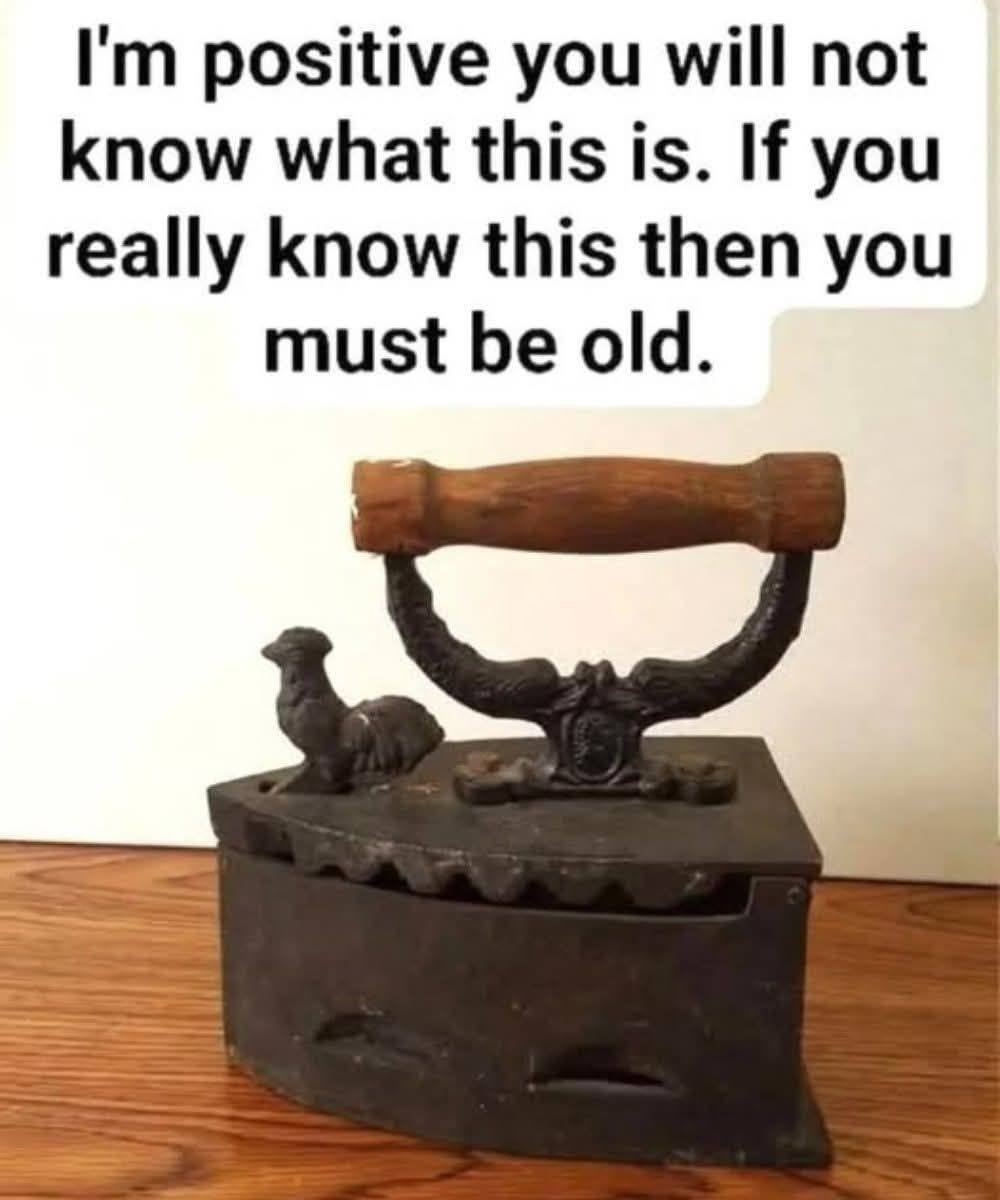
- Heat the coals: Charcoal was lit in a small brazier or stove until glowing.
- Fill the iron: Using tongs, hot coals were placed into the iron’s cavity.
- Latch the lid: The hinged top was secured to contain heat and ash.
- Test the temperature: A scrap of cloth was pressed to the soleplate—too hot? Wait. Too cool? Add coals.
- Iron with care: The user worked quickly but gently, recharging the iron as needed through the day.
⚠️ Caution was key: Too much charcoal could scorch fabric; too little left wrinkles. And ash had to be emptied regularly to prevent smoke or spillage.
⚙️ Why It Was Revolutionary
Before charcoal box irons, most people used “sad irons”—solid blocks of iron heated on a stove. These had to be swapped out every 5–10 minutes as they cooled, requiring multiple irons and constant trips to the hearth.
The charcoal box iron solved this by carrying its own heat source, allowing for longer, uninterrupted ironing sessions—a huge time-saver in an era when laundry was a full-day chore.
🕯️ A Glimpse into Daily Life
Using a charcoal iron wasn’t just about crisp linens—it was a ritual of skill and patience.
- Laundresses might carry an iron in one hand and a small coal bag in the other.
- Families often had two or three irons—one in use, one cooling, one being recharged.
- Safety was vital: Sparks, ash, and intense heat meant ironing was never left to children.
