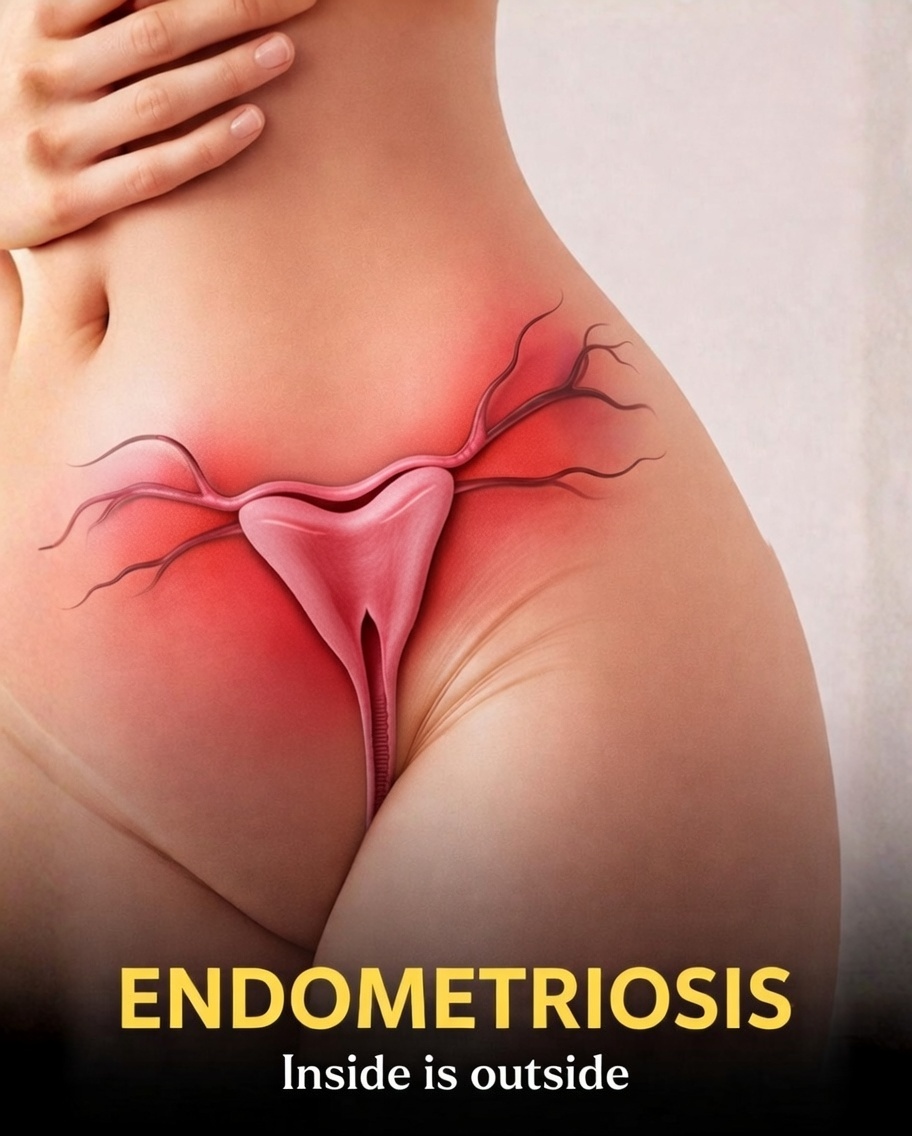
How Is Endometriosis Diagnosed?
Diagnosis often proves challenging due to symptom overlap with other disorders.
Healthcare providers typically start with:
- A thorough medical history, including family background and symptom patterns
- Pelvic examination to check for abnormalities
- Imaging like transvaginal ultrasound or MRI to visualize potential lesions
In many cases, laparoscopy — a minimally invasive surgery — provides definitive confirmation by allowing direct visualization and tissue sampling.
Recent advances in imaging have improved non-invasive options, helping reduce delays in some settings.
Endometriosis and Fertility: What You Need to Know
Endometriosis ranks among the top causes of infertility.
Research indicates that 30–50% of women with endometriosis face conception difficulties. Inflammation, scar tissue, and adhesions can block fallopian tubes, disrupt egg release, or hinder implantation.
The encouraging news? Many women with endometriosis conceive naturally or with assistance like fertility treatments. Early intervention often improves outcomes.

